
Soft & complex media

Glasses & metastable liquids
Research
Our research group develops and applies physics-based computational methods and machine learning approaches to address fundamental outstanding challenges in chemical sciences, with specific focus on problems related to materials design for energy and environmental applications.
Highlights
People
Principal Investigator
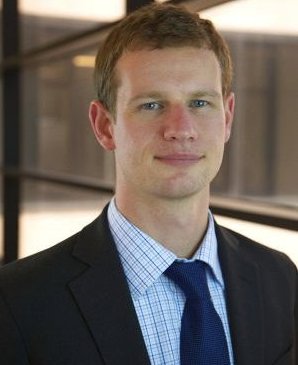
Jeremy Palmer
Ernest J. and Barbara M. Henley Professor
Department of Chemical and Biomolecular Engineering
Department of Chemistry (by courtesy)
University of Houston
Education & Training
- Postdoctoral Fellow, Princeton University (2011-2014)
- Ph.D., Chemical Engineering, North Carolina State University (2011)
- B.S., Biomedical Engineering, Johns Hopkins University (2006)
Research Group









Resources
Educational
Tutorials and workshops.
Software Resources
Our group is a proud contributor to the Molecular Simulation Design Framework - a multi-institutional, NSF-sponsored initiative to develop software tools that aid in enhancing the reproducibility of molecular simulation research.
- Force field parameterization toolkit - python-based package to optimize force field parameter using gradient-free numerical optimization methods. The parameters can be optimized to match ab initio data, equations of state, structural quantities, or any experimental observable that can computed in simulation.
- Structural order parameters for supercooled liquids - fortran routines wrapped through a python interface for computing various order parameters that are commonly used in studies of supercooled liquids.
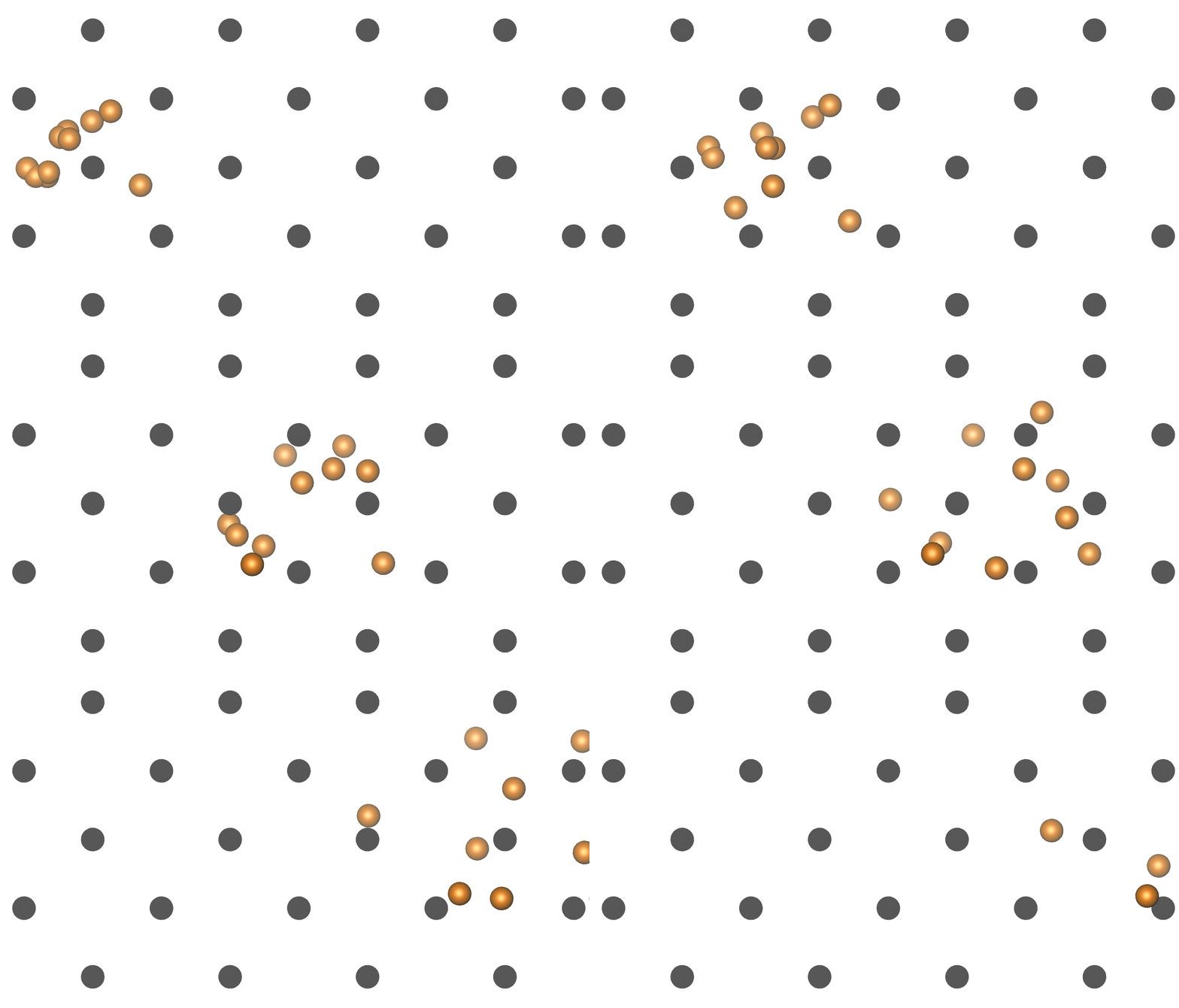
- Kinetic Monte Carlo (kMC) simulations of molecular transport in zeolites - python routines to build and simulation kMC models to study molecular transport in zeolites.
- Multiparticle collision dynamics (MPCD) of polymer-colloid systems with LAMMPS - modified LAMMPS routines to couple polymers to an MPCD solvent. Example inputfiles from some of our published studies are included.
- Hybrid Monte Carlo with LAMMPS - python script for performing hybrid Monte Carlo simulations in the isothermal-isobaric ensemble with LAMMPS. Example inputfiles and validation tests are included, along with a version of the code to perform umbrella sampling.
- Hybrid Monte Carlo code for rigid bodies - fortran code (hosted at Princeton) to perform hybrid Monte Carlo simulations of rigid bodies using a quaternion based molecular dynamics integrator. The example inputs can be used to reproduce the free energy surfaces for ST2 water model reported in our previous work here.